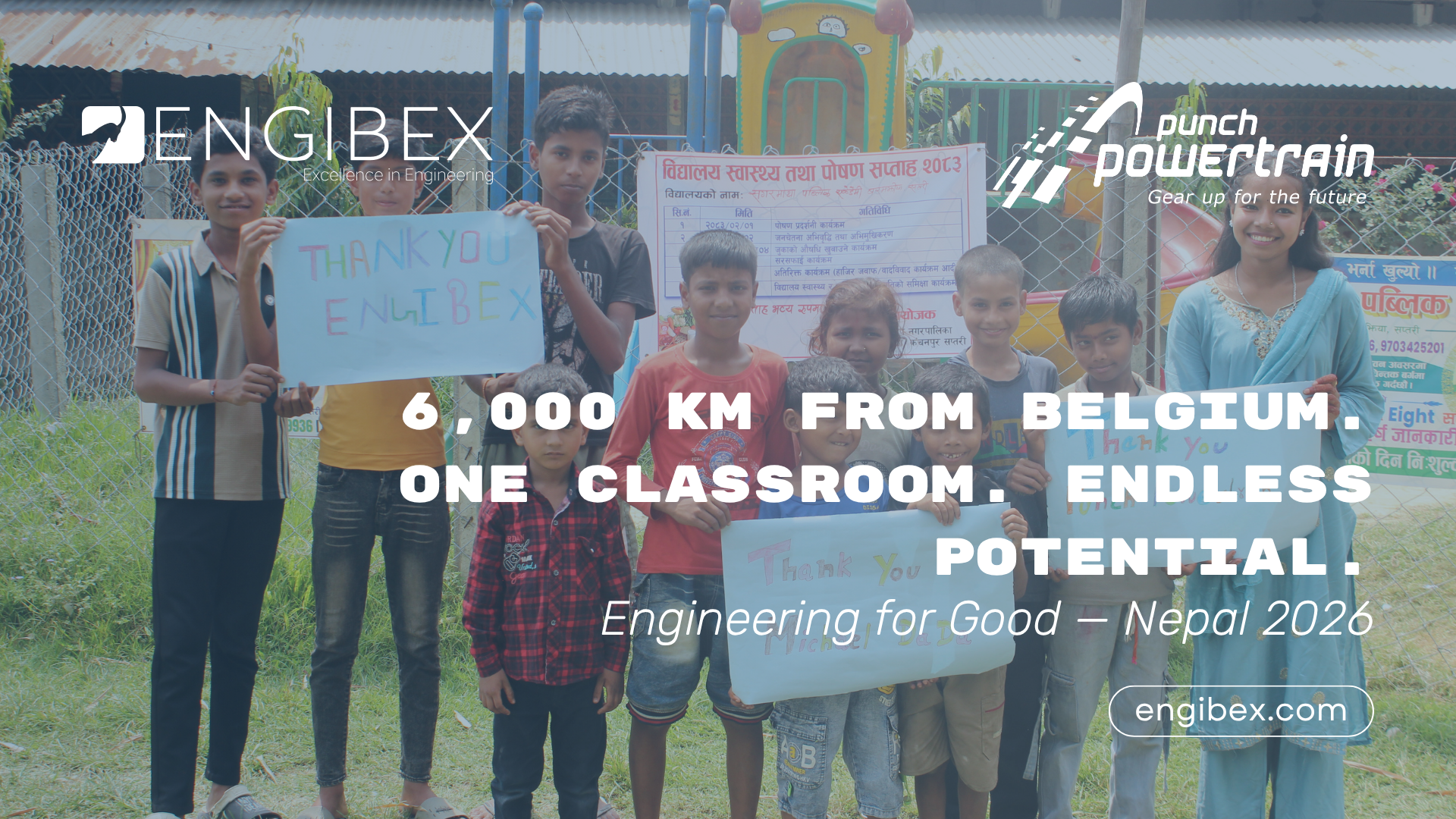
Engineering for Good: A Belgium–Nepal CSR Collaboration Empowering Rural Students
Overview
In a continued effort to bring engineering education and community welfare to rural Nepal, a new Corporate Social Responsibility (CSR) initiative– "Engineering for Good"– was successfully implemented at Sagarmatha Public Academy in Kanchanrup, Baramjhiya. The project was made possible through the generous collaboration and funding of two Belgium-based companies, Engibex and Punch Powertrain, building on the momentum of a previous CSR initiative in Arduino-based engineering education carried out by Engibex in Nepal.

This project reaffirms a simple but powerful idea: that engineering knowledge, when shared generously, can become a tool for real community transformation– regardless of geography or economic background.
Why This Project Matters: The Ground Reality in Nepal
Nepal is a developing country, set to graduate from Least Developed Country status only in November 2026, and it faces deep, interconnected challenges that hit rural villages like Kanchanrup, Baramjhiya hardest:
- Road safety: About 7 people die every day on Nepal's roads (75 accidents daily), with fatalities rising roughly 5.4% a year even as most of Asia improves. Only ~25,000 of Nepal's 77,300 km of roads meet safety standards, and crashes cost the economy 1.5–2% of GDP annually (Nepal Police / World Bank / WHO).
- Drug abuse: Drug users in Nepal have risen from 46,309 (2005) to an estimated 156,821 (2024)– over 5% growth a year. Peer pressure (78.7%) and curiosity (58.5%) are the leading causes among youth, many of whom start between ages 15–19 (Ministry of Home Affairs Drug Users Survey / Central Bureau of Statistics).
- Education quality: Nearly 28% of dropouts nationally (35% in rural Koshi) cite weak learning as the reason, and some rural schools report zero-pass rates at grade 5. Curricula lean heavily on rote memorization, leaving students with little practical, hands-on exposure to STEM (Nepal Living Standards Survey 2024 / UNICEF).
These three challenges: unsafe roads, rising youth substance abuse, and a lack of practical education are exactly what "Engineering for Good" was designed to address at the grassroots level.
Project Goals
The "Engineering for Good" initiative was designed around three complementary pillars:
1. Educational Training — Mechatronics for the Next Generation
A 3-day hands-on Arduino and mechatronics training program was conducted for students, introducing them to the fundamentals of electronics, programming logic, and embedded systems. For many students, this was their first direct exposure to hardware-software integration– a foundational step toward future careers in engineering and technology.

2. Scholarships — Investing in Talent, Not Just Test Scores
Rather than limiting support to a single school, the scholarship component was opened to students across the village, regardless of which school they attended. Recipients were selected using a balanced 50/50 criterion: half weighted on family financial need, and half on academic performance. This approach ensured that both deserving and capable students had a fair chance at support.
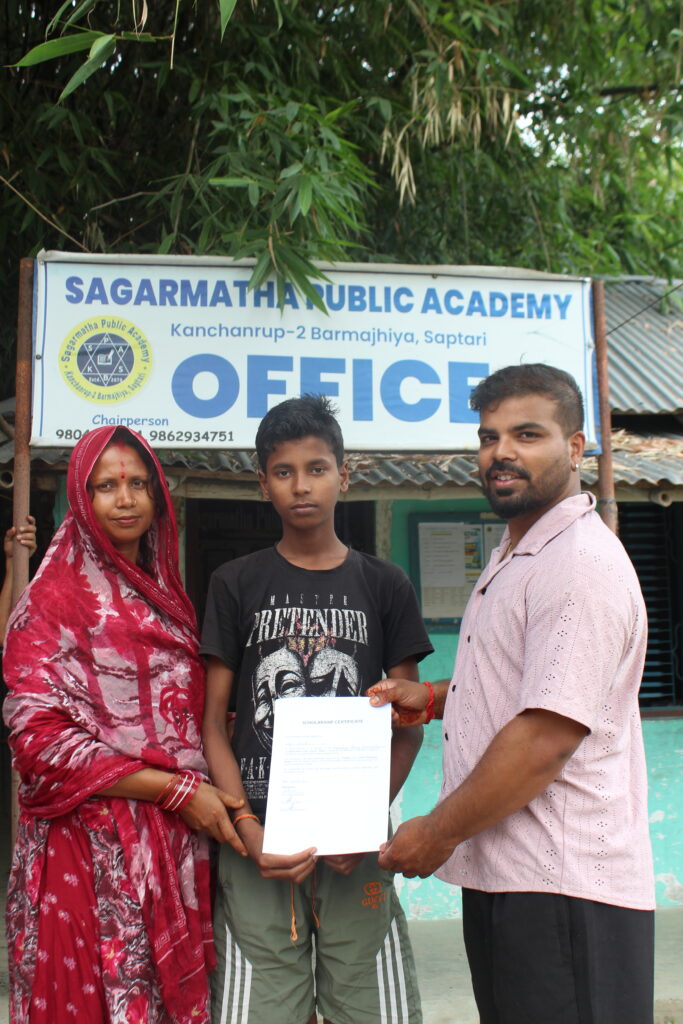
A total of 11 students were awarded scholarships under this initiative– a direct investment in the continued education of the community's youth.
3. Road Safety, Drug Awareness, and General Health Checkup
The third pillar aimed to address broader community wellbeing through a road safety and drug-awareness campaign, along with general health checkups for students. While the mechatronics training and scholarships were successfully completed, this component has been deferred and is planned for implementation later in 2026, ensuring it receives the dedicated time and resources it deserves.
Project Implementation Process
I work in Belgium and travel to Nepal once a year. Having already led a CSR project in 2024, this second initiative was easier to plan. I carried forward the lessons learned (and the mistakes made) from that first experience. The process unfolded in clear stages:
- Proposal and interested partner I approached Engibex and Punch Powertrain with a proposal for the project. Both companies agreed enthusiastically and committed to supporting it.
- School coordination. Once the partners were on board, the school was contacted directly, and the goals and timeline of the project were finalized together. All information objectives, budget, and schedule was shared and kept aligned across every party: Engibex, Punch Powertrain, and the school.
- Resource preparation. Ahead of travel, the necessary resources were arranged at the school itself: preparing the electronic hardware and Arduino kits, setting up the computer lab for the donated PCs, and drafting the probable scholarship shortlist.
- On-the-ground engagement in Nepal. After the preparation phase, I traveled to Nepal to lead the implementation in person. Before the formal program began, we held a pre-discussion with community members to make sure everyone understood the plan. With the school's help, we personally visited the homes of the probable scholarship candidates' families to verify their situation and explain the process– a step that ensured the scholarships reached those who genuinely needed them.
- Execution. Because the groundwork had been laid so carefully, the training program and scholarship distribution went smoothly, without major hurdles.
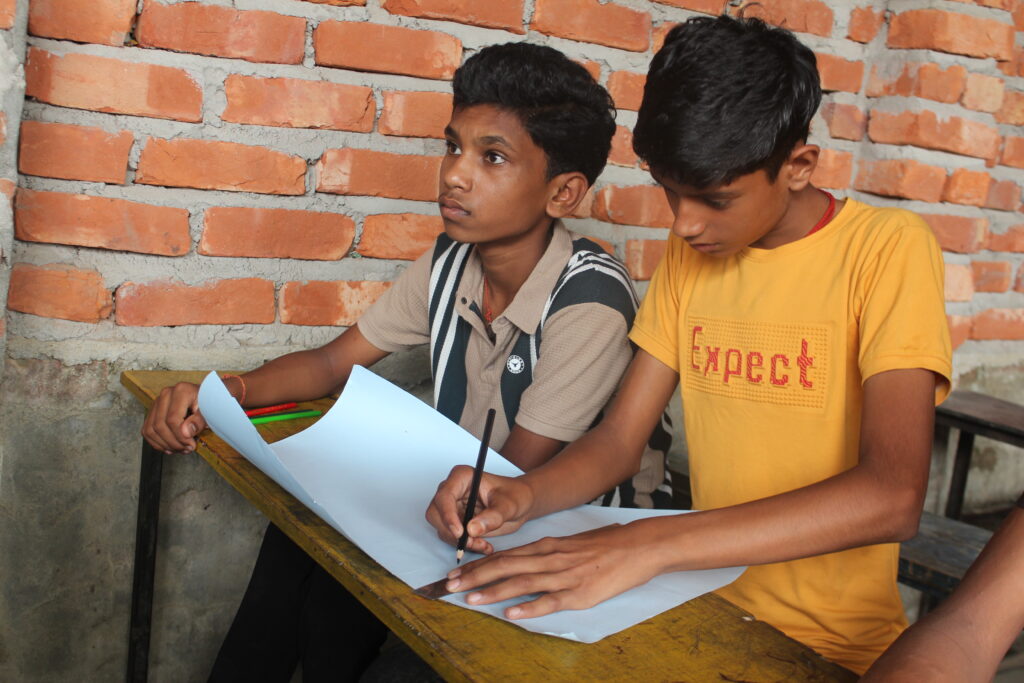
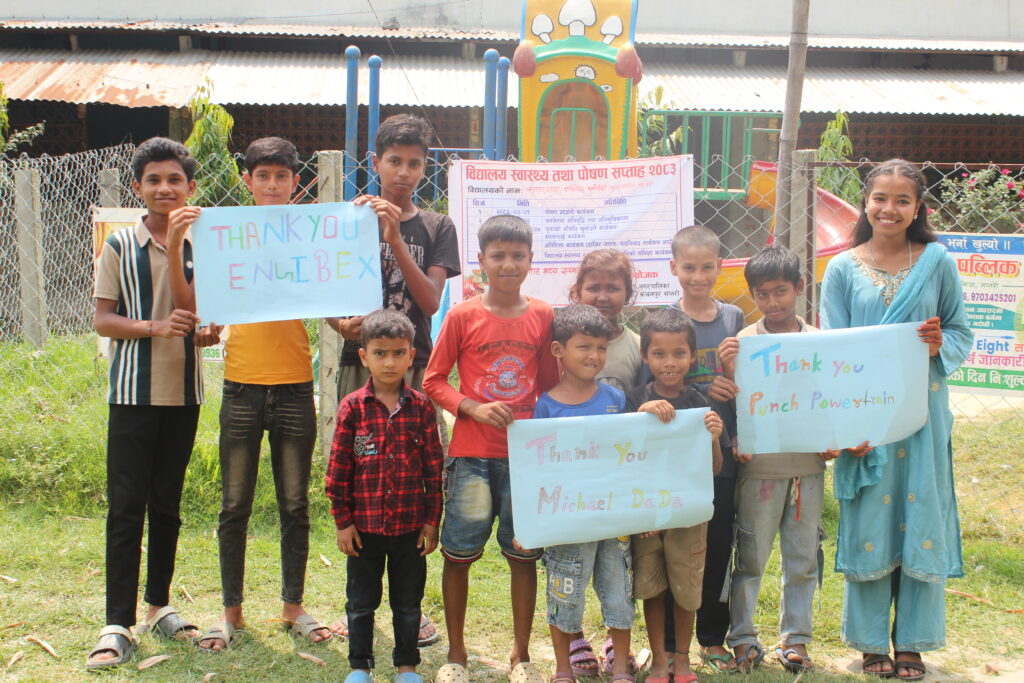
- A moment of joy. Alongside the formal program, we organized a small fun activity during the scholarship event– students painted and drew, and enjoyed refreshments together, turning a serious occasion into a memorable and joyful one for the children.
- Documentation. Throughout the project, we captured photos, videos, and interviews with students, parents, and teachers to document the impact and preserve the community's experience.

Community Feedback
The response from the community was overwhelmingly positive. This time, the project went beyond training alone. It also delivered scholarships directly into the hands of families who needed them most. Several recipients came from orphaned or financially struggling households, and for many, the scholarship meaningfully eased the financial burden of keeping a child in school. It was the first time a project of this kind had ever reached the village. Students, in particular, were excited to understand for the first time how a simple mechatronic system works: how software communicates with electronics to make a motor run. Many asked to learn more and continue building their own Arduino projects.
One father of a scholarship recipient shared during an interview:
"I am from a low-caste Muslim community. I have many health issues, I am an old father, and my wife takes care of the house. We have no land for farming and no work. It is very difficult, physically and financially, to send my sons to school. My son is a good student and wants to study– this scholarship means a lot to me. I am very thankful to Engibex and Punch Powertrain for this project."
This was just one story among many others we encountered. Of course, it was not possible to help every family in need– but with the resources available, the team did everything it could to make a meaningful difference.
Recognition
In appreciation of the initiative's impact, Sagarmatha Public Academy presented an official appreciation letter to the project team, acknowledging the value brought to its students and community.
A Heartfelt Thank You to Belgium
None of this would have been possible without the generosity and trust of our Belgian partners. Engibex and Punch Powertrain didn't just fund the project, they engaged directly and committed to a two-part vision, including a planned follow-up phase in 2026. Their willingness to invest in a small village school thousands of kilometers away reflects the best of what CSR can be, and it also speaks to Belgium's broader culture of international generosity and solidarity, which empowers companies like these to look beyond their own borders. To the teams at Engibex and Punch Powertrain, and to the spirit of Belgium more broadly: thank you for believing that a village school in rural Nepal is worth investing in.
Building on Past Impact
"Engineering for Good" is not a standalone effort– it builds directly on an earlier CSR initiative led by Engibex: Empowering Nepal's Future: A CSR Initiative in Arduino-based Engineering Education. Together, these projects reflect a sustained, long-term commitment to engineering education in Nepal rather than a one-time gesture.
Looking Ahead
With the mechatronics training and scholarship components successfully delivered, the project team is already looking toward the next phase: the road safety, drug awareness, and health checkup program, scheduled for later in 2026. This continued engagement underscores the project's core philosophy– that meaningful CSR work is a journey of sustained partnership, not a single transaction.
Learn More
"Engineering for Good" stands as a testament to what cross-border collaboration between industry and education can achieve– one village, one classroom, and one student at a time.