

Ensuring Safety in Railway Embedded Systems: The Critical Role of Verification and Validation
This article describes an anonymized industrial perspective based on real engineering experience in railway system verification and validation.
1. Introduction / Context
Railway systems across Europe are undergoing a major transformation driven by the deployment of the European Train Control System (ETCS), a standardized signaling and control solution designed to improve safety, interoperability, and operational efficiency. Traditionally, train operation relied on trackside signaling systems such as visual signals, track circuits, and fixed signaling panels to ensure safe train separation and speed supervision.
With the introduction of ETCS, these conventional systems are progressively complemented or replaced by digital, software-driven onboard embedded systems. At the core of the onboard ETCS architecture lies the European Vital Computer (EVC), a safety-critical onboard computer responsible for supervising train speed and ensuring compliance with movement authorities transmitted by trackside systems such as balises and the Radio Block Centre (RBC).
Railway embedded systems operate under the highest Safety Integrity Level (SIL4), meaning that system behavior must be fully reliable and predictable, with no margin for unsafe operation.
In this context, Verification and Validation (V&V) engineering plays a critical role in ensuring that onboard and trackside systems communicate correctly and function safely as a complete integrated system. Through rigorous system integration and system-level testing, V&V engineers ensure that railway embedded systems meet functional, safety, and operational requirements before deployment.
2. ETCS System Architecture and Communication Interfaces
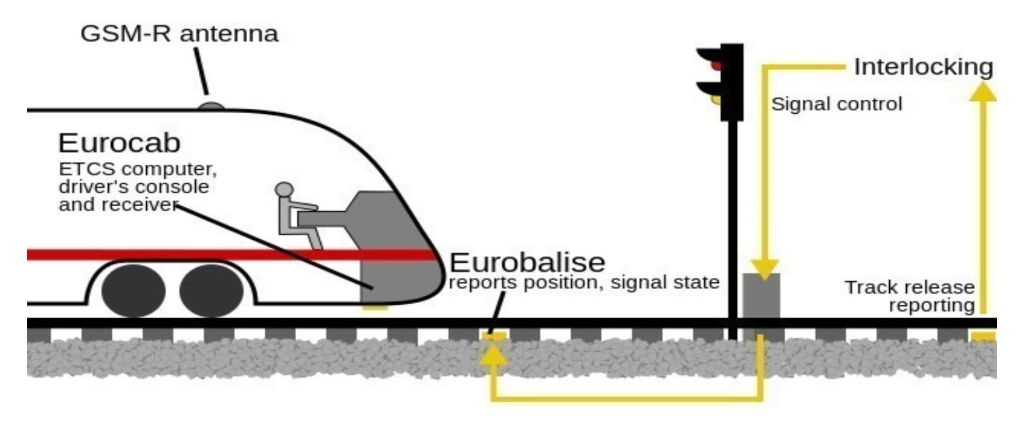
ETCS-based railway systems rely on continuous communication between onboard embedded systems and trackside infrastructure. The onboard system, centered around the European Vital Computer, receives and processes signaling information transmitted by trackside components such as balises and Radio Block Centres.
The Radio Block Centre is responsible for transmitting movement authorities, speed limits, and track-related information to the onboard system. Based on this data, the EVC continuously supervises train speed and ensures that the train operates within safe operational limits defined by the signaling infrastructure.
This distributed architecture requires reliable communication between onboard and trackside systems. Any communication failure, incorrect data transmission, or integration inconsistency can affect system behavior and compromise operational safety. Such failures may lead to incorrect speed supervision, loss of movement authority control, or unexpected system responses. In safety-critical railway environments, these situations can result in serious operational disruptions and, in worst-case scenarios, create unsafe conditions that may put passengers, infrastructure, and railway operations at risk.
From a Verification and Validation perspective, system integration testing ensures that onboard systems correctly receive, interpret, and respond to trackside information. These activities are essential to ensuring safe and reliable railway operations.
3. The Role of Verification and Validation in Railway System Safety
Railway embedded systems are classified as safety-critical systems with the highest safety integrity requirements. In such systems, failures are not acceptable, and system behavior must be fully validated before deployment.
Verification and Validation engineering plays a key role in ensuring that railway embedded systems operate safely and comply with system and safety requirements. V&V activities focus on validating communication between onboard and trackside components, verifying system integration, and ensuring that system behavior is correct under operational conditions.
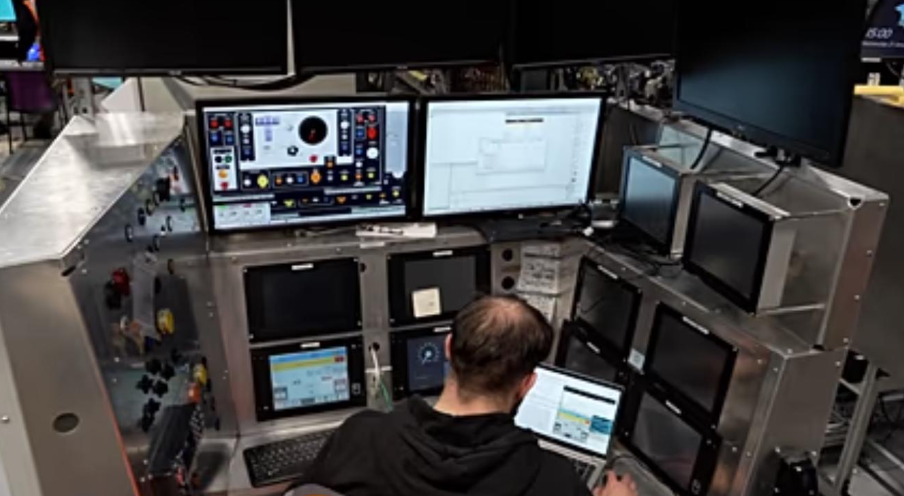
System integration testing allows Verification and Validation engineers to verify that the onboard system correctly interprets signaling information transmitted by the Radio Block Centre and reacts according to safety rules. These tests validate communication interfaces, system responses, and interaction between embedded software and hardware components.
System-level testing ensures that the complete system fulfills project requirements and operational expectations. Verification and Validation engineers are involved throughout the system development lifecycle, from requirements analysis to system validation and qualification. These activities ensure that the system is safe, compliant, and ready for operational deployment.
Verification and Validation therefore acts as a critical safety gate in railway system development, ensuring that only fully validated and reliable systems are released into operation.
4. System Integration Testing Challenges in Railway Embedded Systems
System integration testing in railway embedded systems presents significant challenges due to system complexity and safety requirements.One major challenge is ensuring correct integration between modern ETCS systems and existing legacy railway infrastructure. During railway modernization, new onboard systems must interact with conventional signaling environments, requiring careful validation of system interfaces and behavior.
Additionally, some integration issues only appear under real operational conditions and cannot always be fully anticipated during early testing phases. These issues may result from complex interactions between onboard systems, trackside infrastructure, and operational environments.
The safety-critical nature of railway systems further increases validation complexity. Verification and Validation engineers must ensure that system integration does not introduce unsafe conditions and that all system components operate reliably under all expected operating conditions.
System integration testing is therefore essential to identifying integration risks and ensuring the safe operation of railway systems.
5. Verification and Validation Strategies and Traceability
Verification and Validation activities rely on structured validation strategies to ensure complete system coverage and compliance with railway safety standards.
Traceability between system requirements and validation activities is essential. Each requirement must be validated through defined integration and system-level test scenarios to ensure that all safety-critical functions are properly verified.
Verification and Validation engineers play a central role throughout the system development lifecycle. Their activities include analyzing requirements, defining validation strategies, executing system and integration tests, investigating system behavior, and documenting validation results.
Close collaboration between Verification and Validation engineers and system, software, and hardware teams ensures that all system interactions are properly validated and that system integration is performed safely and correctly.
These structured validation activities ensure system reliability, safety, and compliance with railway safety requirements.
6. Outlook: The Future of Verification and Validation in ETCS Railway Systems
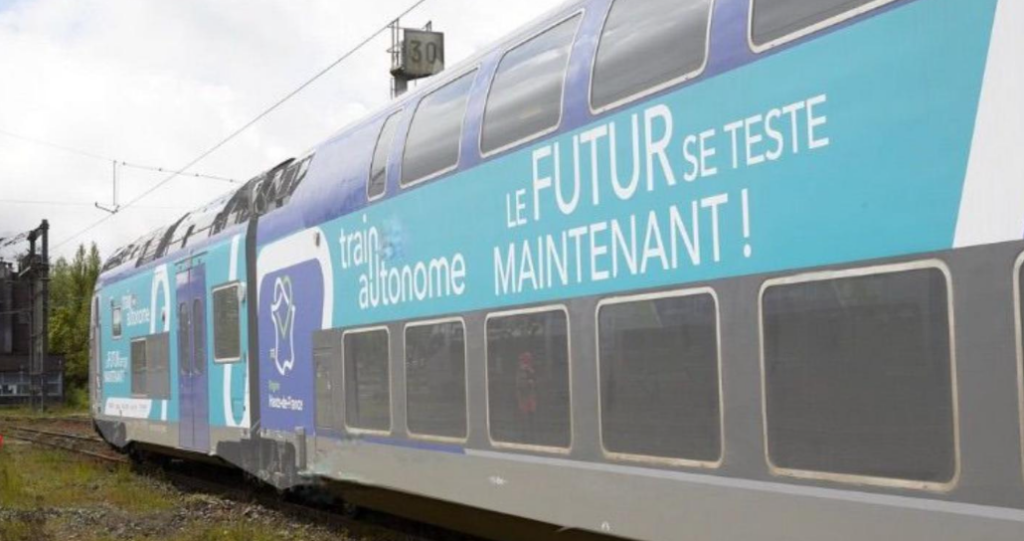
As ETCS deployment continues across railway networks, system complexity will continue to increase, particularly with the transition toward higher levels of automation, digital signaling, and train autonomy. ETCS enables onboard embedded systems to supervise train operation more independently, paving the way for autonomous railway systems.
The integration of advanced signaling technologies and autonomous train systems will introduce new system interfaces and integration challenges.
In autonomous operation, onboard computers must continuously interpret signaling information, supervise train behavior, and ensure safe operation without direct human intervention. Ensuring safe and reliable system integration in such environments requires rigorous Verification and Validation activities.
Verification and Validation engineering will remain essential to ensuring the safe deployment of autonomous railway systems and supporting the continued evolution of railway transportation toward safer, more efficient, and increasingly autonomous operations.

7. Conclusion
Modern railway systems rely on safety-critical onboard computers such as the European Vital Computer to ensure safe train operation. These systems must operate reliably and communicate correctly with trackside infrastructure such as Radio Block Centres and signaling systems.
Verification and Validation engineers play a critical role in ensuring correct system integration, validating communication between onboard and trackside systems, and verifying system behavior under operational conditions.
Through rigorous system integration testing and structured validation processes, Verification and Validation engineering ensures the safe deployment and reliable operation of ETCS-based railway systems.
